In 1549, Norfolk did not merely grumble. It rose.
That summer produced one of the most serious popular uprisings of Tudor England. In Norfolk, what began as anti-enclosure action at Wymondham turned into a far larger challenge: a movement led by Robert Kett, based on Mousehold Heath, strong enough to seize Norwich, and serious enough to force the government to send a major army against it. This was part of the wider “commotion time” of 1549, but Norfolk’s rising had its own distinct character. In Devon and Cornwall, religion and the new Prayer Book lay at the heart of rebellion. In Norfolk, the sharpest pressure came from enclosure, rents, commons, and anger at the behaviour of those who governed locally.
What makes Kett’s Rebellion so interesting is that the rebels did not think of themselves simply as destroyers of order. They claimed instead to be correcting it. Their complaints were aimed at lords, landlords, office-holders, and clergy who, in their eyes, had ceased to govern justly. The language was conservative, but the action was explosive. A movement that says existing rulers have broken faith with the commonwealth is not modest at all.
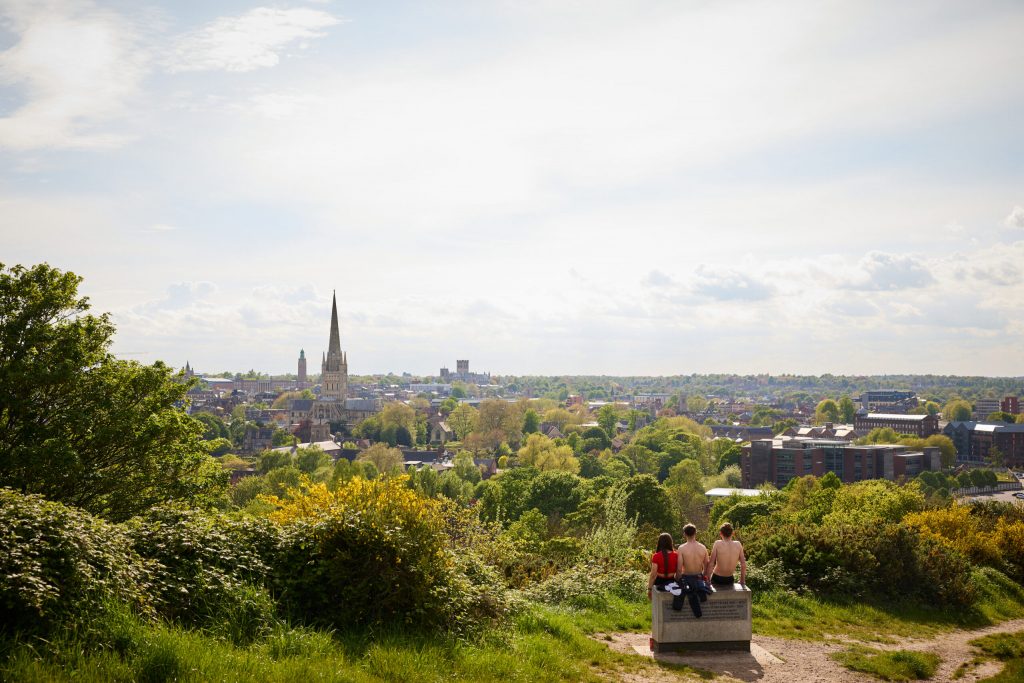
Image VisitNorwich
Wymondham and the sudden rise of Robert Kett
The rising began at Wymondham in July 1549, when crowds attacked enclosures during the town’s festivities. Robert Kett, himself a local landholder, was drawn into the dispute. The well-known tradition is that, instead of opposing the protesters, he accepted the justice of their complaint and joined them. However much later retelling sharpened that moment, the broad result is clear enough: Kett emerged as leader, and the disturbance stopped being a local riot.
That change in scale matters. Plenty of Tudor disorders burned hot and died quickly. This one did not. Under Kett, it acquired leadership, coherence, and a sense of purpose.
Mousehold Heath
From Wymondham the rebels moved towards Norwich and established their main camp on Mousehold Heath. That camp became the centre of the rising, not merely because it held large numbers, but because it gave the movement shape. Complaints were heard there, councils were held there, and the rebellion presented itself as something more than a crowd in motion. The later association with the Oak of Reformation survives because it captures a truth: Mousehold was remembered as a place of judgment as well as assembly.
What the rebels were complaining about
The surviving articles of complaint show that this was never just a quarrel about hedges. Enclosure mattered, but so did excessive grazing, weakened common rights, rents, fines, and the behaviour of men in office. The rebels believed that power in Norfolk had become self-serving, and that those who ought to govern for the welfare of the county were using their position for advantage instead. That is why the rising feels so substantial. It was not only angry. It was argued.
The rebels were not modern democrats, and it would be wrong to pretend otherwise. They were not calling for equality. They were calling for hierarchy to behave itself. Yet that was quite enough to threaten the local ruling class, because it implied that obedience had limits, and that those limits had already been crossed.
Norwich
Norwich was the great prize, and its temporary capture is the most dramatic fact in the whole story.
The revolt escalated from rural protest into full insurgency, and by 24 July the rebels had captured Norwich, holding the city and much of the surrounding region for more than a month. That was an extraordinary achievement. Norwich was one of the kingdom’s greatest provincial cities. To occupy it was to show, brutally and publicly, how thin official power could look once local confidence broke down. The government’s first attempt to restore control failed. Only a stronger campaign under the Earl of Warwick shifted the balance decisively.
King’s Lynn and the west of the county
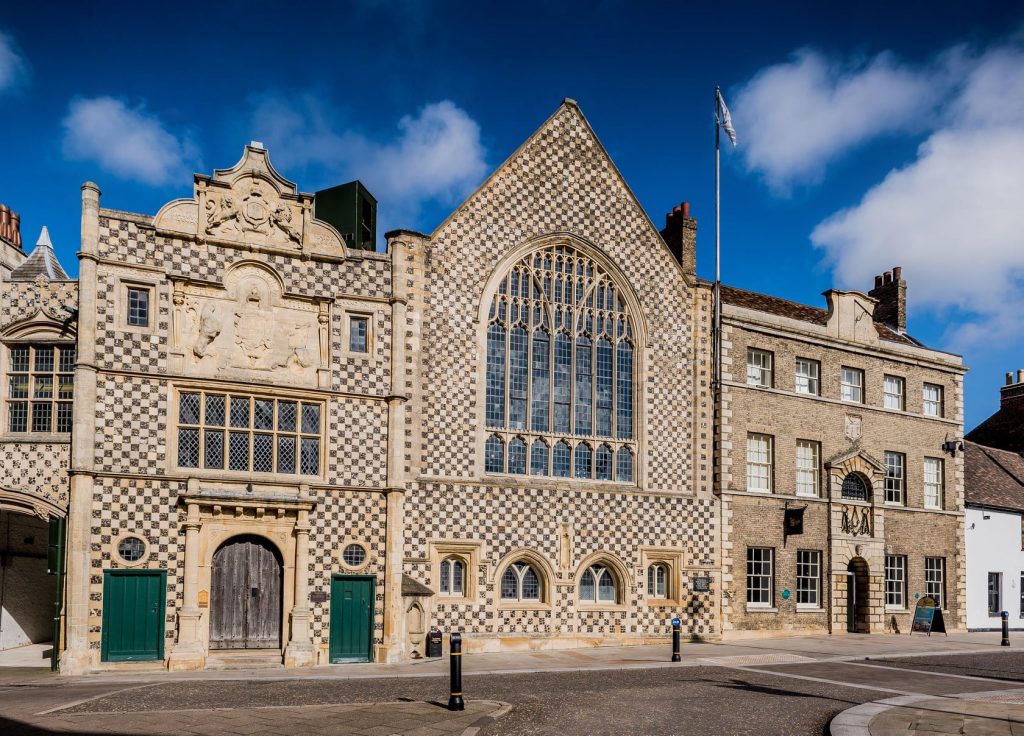
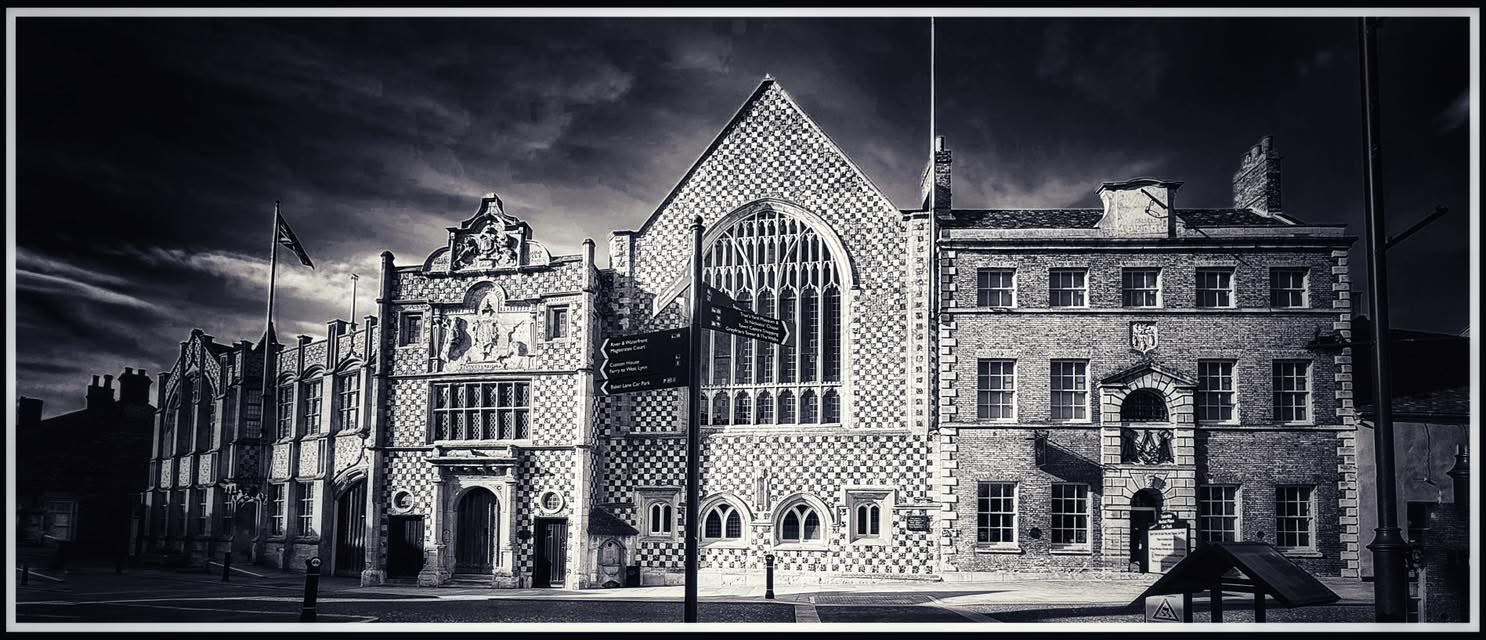
King’s Lynn matters here precisely because it was not another Norwich.
The town was not the rebellion’s centre, and it should not be forced into that role. But west Norfolk was drawn into the crisis, and the surviving evidence shows Lynn’s rulers reacting to it as an immediate emergency rather than distant gossip. Jane Whittle’s work notes an early camp on Rising Chase at Castle Rising, just east of Lynn, which was quickly suppressed by local gentry. That single detail is valuable because it widens the map. The disorders were not confined to the Wymondham-Norwich axis.
The strongest Lynn evidence comes from the borough’s Hall Books. These civic records do not dramatise events, which is exactly why they are so useful. A Hall Book entry dated 15 August 1549 records that 100 marks were taken from the Treasure House and delivered to Lord Willoughby, under letters from the Protector and council, “for the furniture of his service here”. Another entry of 20 November records £71 7s. 9d. for “the soldiers’ wages in the time of rebellion”. A later entry refers again to money delivered to Willoughby in connection with the same emergency. Those entries show King’s Lynn paying heavily for defence and loyalist service during the disorders.
That does not prove a full siege story, and it is better not to overstate it. The Norfolk Record Office blog suggests that rebels near Castle Rising may have intended to attack Lynn, and that Lord Willoughby, backed by local gentry and the town, headed off the danger. That reconstruction fits the pattern of borough spending, but the Hall Books themselves tell the safer and more important story: Lynn expected serious trouble, mobilised resources, and paid for soldiers in what its own records called “the time of rebellion.”
There is also a more uncertain local trace at Gaywood. The Norfolk Heritage record for the former hospital of St Mary Magdalen states that, in 1549 during Kett’s Rebellion, the hospital was sacked and the chapel destroyed. I would use that carefully, because it rests on heritage-record synthesis rather than on the same kind of direct civic notation as the Hall Books. Even so, it suggests that the rebellion was remembered around Lynn as something with local consequences.
This is what the Lynn material adds. It broadens the story. Away from Mousehold and Norwich, rebellion appears not as grand theatre, but as suppressed camps, hurried payments, borough anxiety, and defensive preparation. That is often how a real crisis looks in town records.
Dussindale and the ending the government wanted
The rebellion was crushed at Dussindale in August 1549. The valley is identified by the Norfolk Heritage record as the site where Kett and his rebels were defeated by the Earl of Warwick’s army. By then the government had what it needed: a strong force, artillery, and experienced troops. Once the rebels faced that in open battle, the result was devastating.
The punishment was meant to last in memory. Robert Kett was tried for treason and hanged from Norwich Castle on 7 December 1549; his brother William was executed at Wymondham. These were not merely judicial acts. They were public lessons in restored authority.
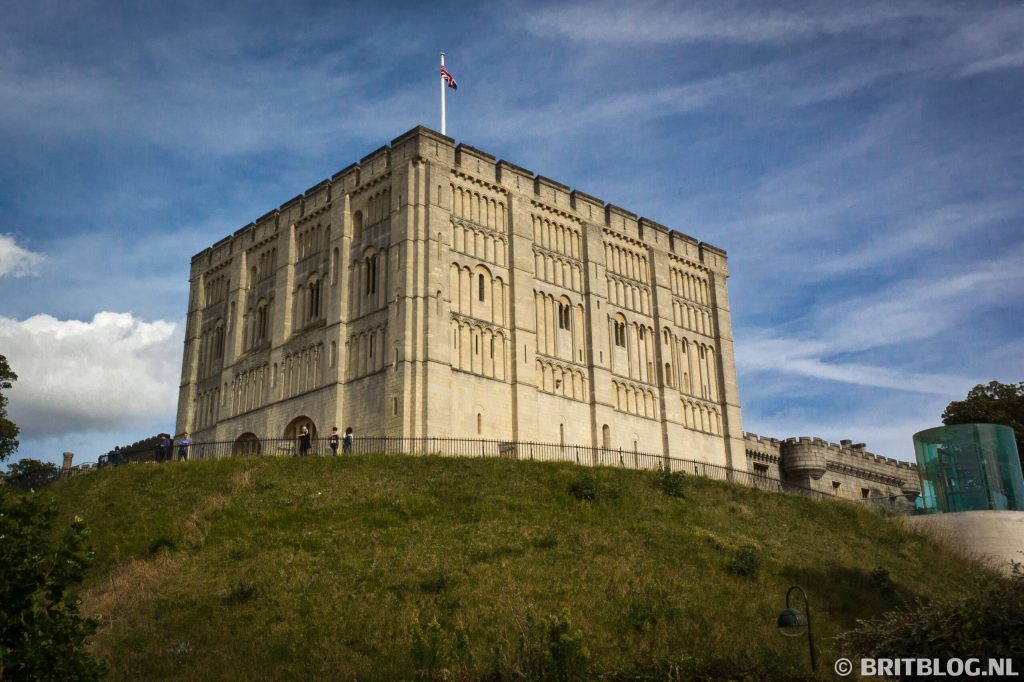
Image britblog.nl
A Norfolk rebellion, not just a Norwich one
Kett’s Rebellion has lasted because it joined local grievance to dramatic action. A substantial man from Wymondham led a movement that camped on Mousehold, captured Norwich, and forced the Tudor state to answer with force. That alone would make it memorable. But the rebellion becomes clearer when it is seen across the county rather than only along its most famous route. Then the picture includes not only camps and battles, but also Castle Rising, the King’s Lynn Hall Books, military payments, and the practical signs of fear in a town preparing for trouble.
For a few weeks in 1549, men across Norfolk believed that the county could be corrected from below. They failed, and they failed bloodily. Yet the surviving record still shows how serious the challenge was. This was not picturesque folklore. It was a real contest over land, obligation, authority, and the limits of rule.
© James Rye 2026
Book a Guided Tour with a Trained and Qualified King’s Lynn Guide
References
- Hodgkins, Alexander J. “Introduction.” Internet Archaeology 38, on Kett’s Rebellion and Norwich. Full URL: https://intarch.ac.uk/journal/issue38/3/1.html
- King’s Lynn Borough Archives. “King’s Lynn Borough Archives.” Norfolk Record Office. Full URL: https://www.archives.norfolk.gov.uk/article/31098/Kings-Lynn-Borough-Archives
- Norfolk Heritage Explorer. “Record Details: Site of hospital of St Mary Magdalen, Gaywood Road.” Full URL: https://www.heritage.norfolk.gov.uk/record-details?uid=MNF11963
- Norfolk Heritage Explorer. “Dussindale valley battle site.” Full URL: https://www.heritage.norfolk.gov.uk/record-details?Index=52&MNF21173-Dussindale-valley-battle-site=&RecordCount=205&SessionID=ed96c6a5-3fa4-46ef-a028-21964d1edc7d
- Norfolk Record Office Blog. “Lord Willoughby and ‘the time of rebellion’.” 17 September 2018. Full URL: https://norfolkrecordofficeblog.org/2018/09/17/lord-willoughby-and-the-time-of-rebellion/
- Newcastle University, Wastes and Strays Project. “Kett’s Rebellion 1549.” Full URL: https://research.ncl.ac.uk/wastesandstrays/wastesandstraysblog/ketts-rebellion/
- The Historical Association. “Kett’s Rebellion.” PDF. Full URL: https://www.history.org.uk/files/download/4513/1263313310/Ketts_Rebellion.pdf